
Behind the Scenes of a Tenant Improvement Project: From Demolition to Move-In
Our Work on NeueHouse at the Bradbury Building
At Turelk, tenant improvement projects start with a clear understanding of the space, its history, and how it needs to function day to day. All of our decisions are guided by how people will work, gather, and move through the environment once the project is complete.
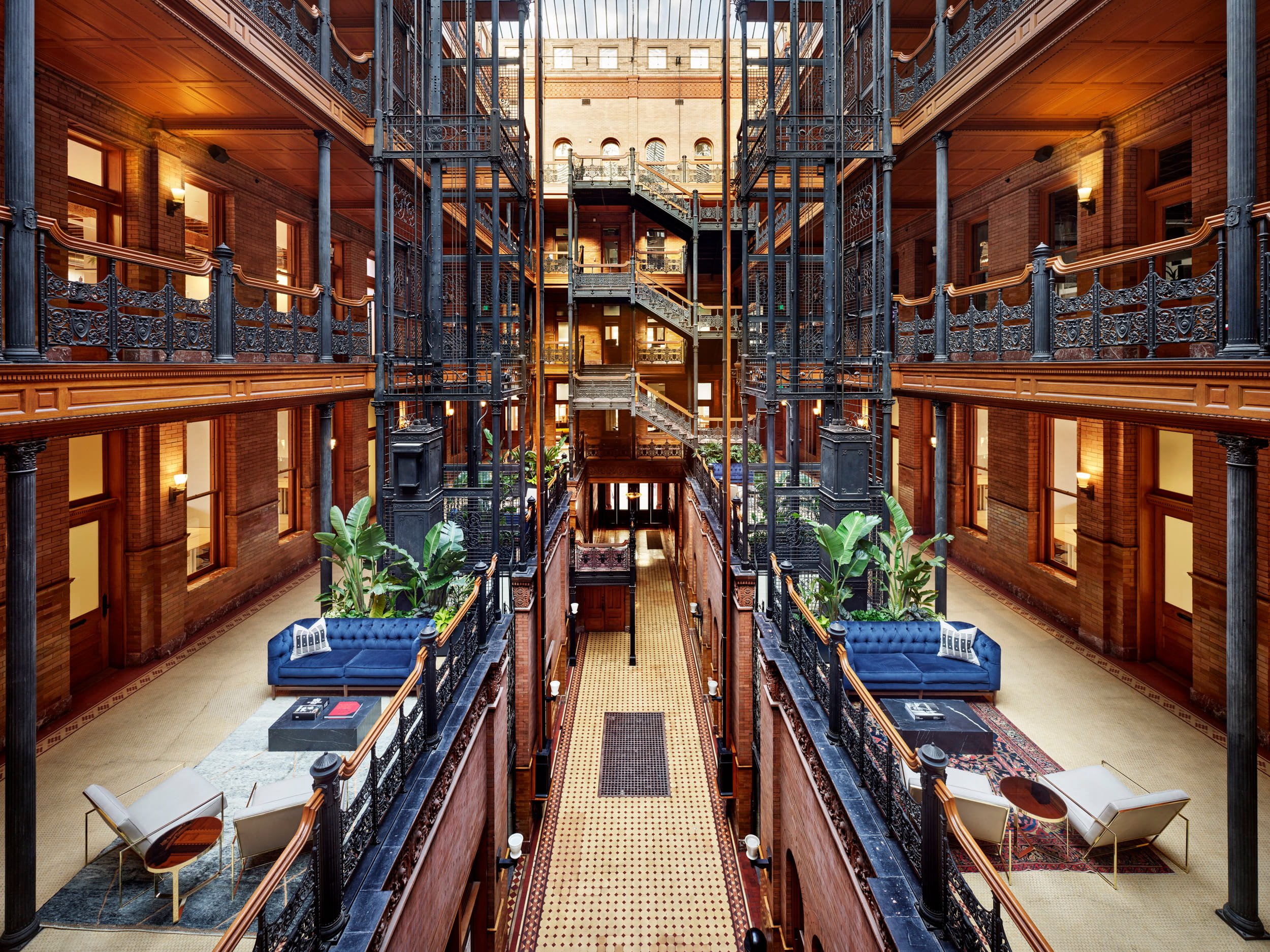
Our recent work at NeueHouse Bradbury reflects that approach. Located inside the historic Bradbury Building in downtown Los Angeles, this 25,000-square-foot tenant improvement required careful coordination, detailed planning, and respect for a structure dating back to 1893.
Here’s a behind-the-scenes look at how we brought the project from demolition to move-in.
Project Snapshot: NeueHouse Bradbury
Location: Bradbury Building, Los Angeles, CA
Size: 25,000 square feet
Architect: Terrain (formerly LMA)
Scope: Full second-floor tenant improvement
Program: Workspaces, private studios, conference rooms, wellness areas, café, and private bar/restaurant
From the start, we knew this would be a project where preservation and modern performance had to work side by side.
Phase 1: Pre-Construction & Design Coordination
Before construction began, we worked closely with the design team at Terrain to understand how the space needed to function and how it needed to be protected.
The Bradbury Building is a National Historic Landmark, which meant every decision had to account for the building’s original materials and character. During pre-construction, we focused on:
Understanding historic preservation requirements
Identifying architectural features that needed to remain untouched
Planning how modern systems could be integrated without disrupting the historic interior
This early coordination helped us establish realistic expectations and reduce surprises once work began.
Phase 2: Selective Demolition with Preservation in Mind
Demolition in a historic building looks very different from a typical tenant improvement. Our approach was highly selective.
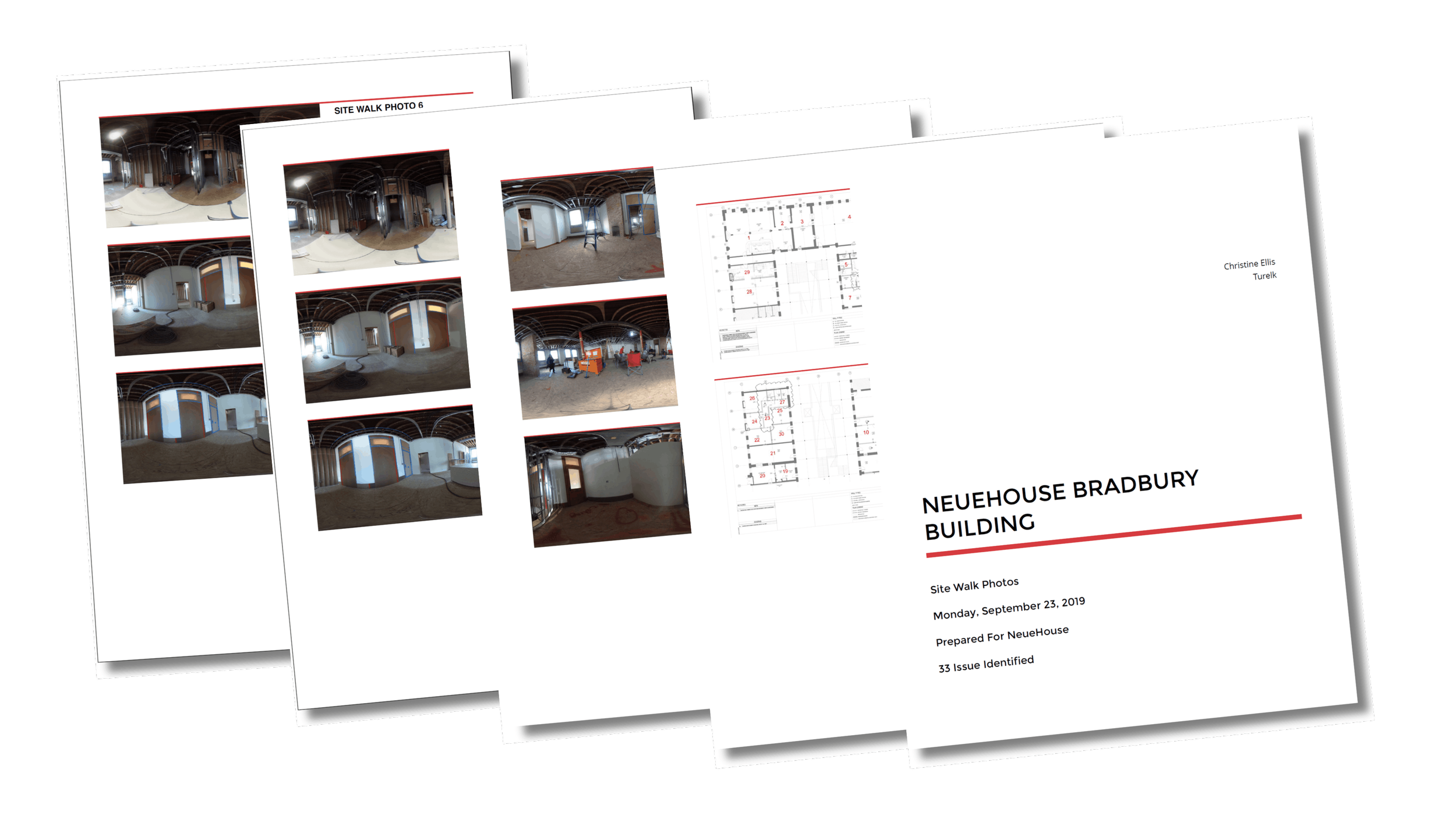
We carefully removed non-historic elements while protecting original features such as the oak-framed windows, exposed wooden ceiling joists, and brick walls and fireplaces. Every step required coordination and documentation to make sure the building’s character was preserved throughout the process.
What went well: Because demolition was clearly scoped during pre-construction, we were able to move efficiently while keeping protected elements intact.
What required extra care: Working within a landmark structure demanded patience and precision. Even routine demolition tasks required additional oversight.
Phase 3: Rough-Ins & Modern Infrastructure
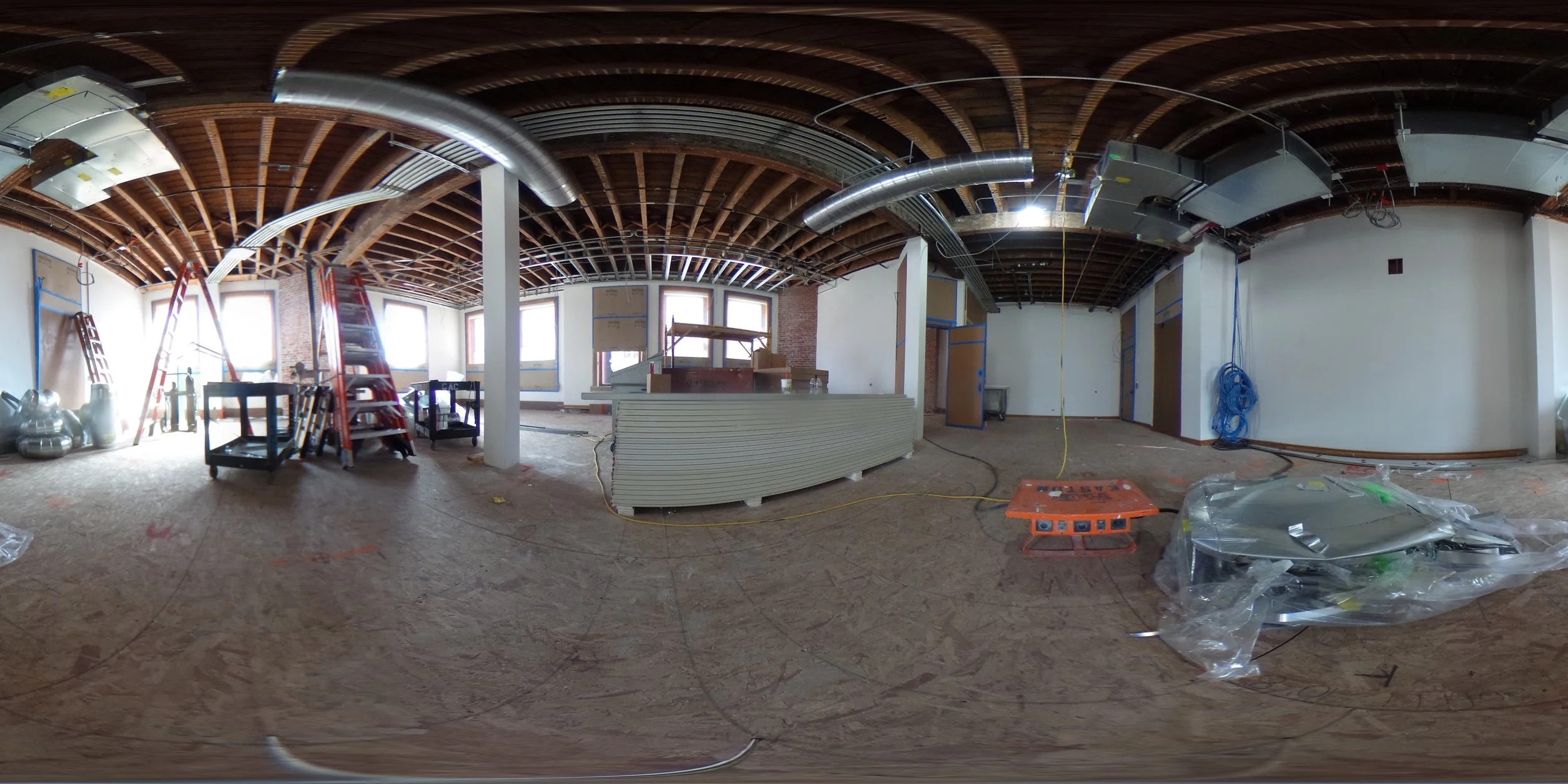
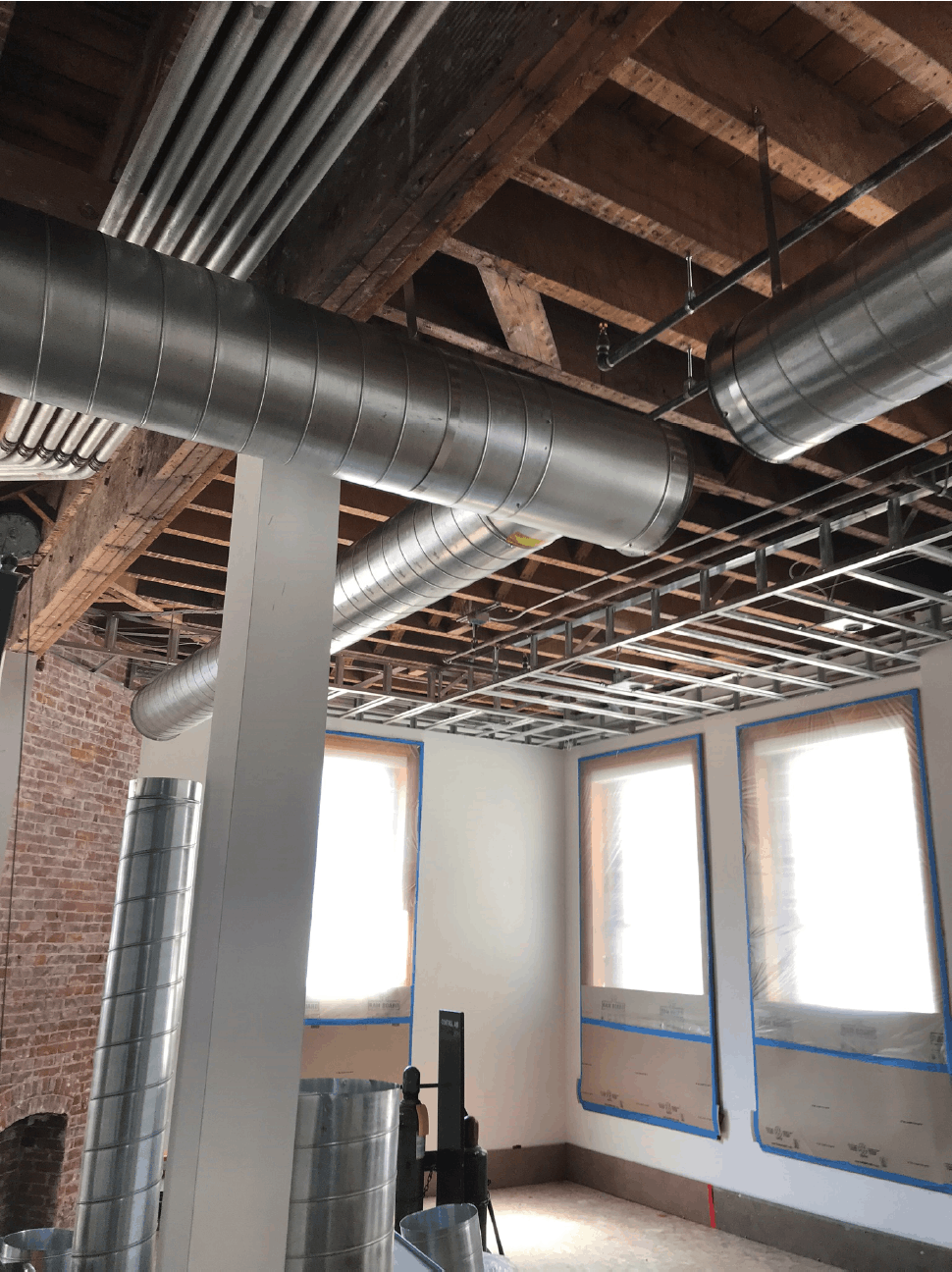
Once demolition was complete, we shifted focus to installing modern systems (electrical, lighting, HVAC, and data), all within an existing framework that was never designed to hide them.
Because many original structural elements remained exposed, routing systems required creative planning. Our team worked closely with trade partners to make sure:
Systems met current code requirements
Installations stayed visually discreet
Historic materials remained visible and undisturbed
This phase reinforced the importance of sequencing and coordination across trades.
Phase 4: Interior Build-Out & Finishes
With the infrastructure in place, the space began to take shape.
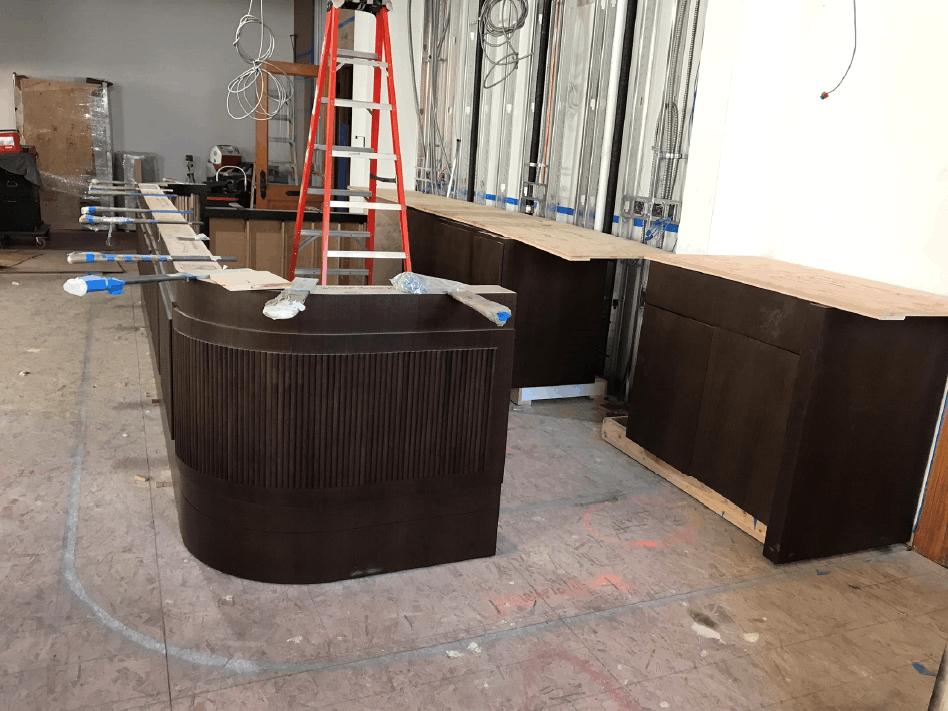
We completed the interior build-out with finishes that complement the building’s history while supporting modern use, including:
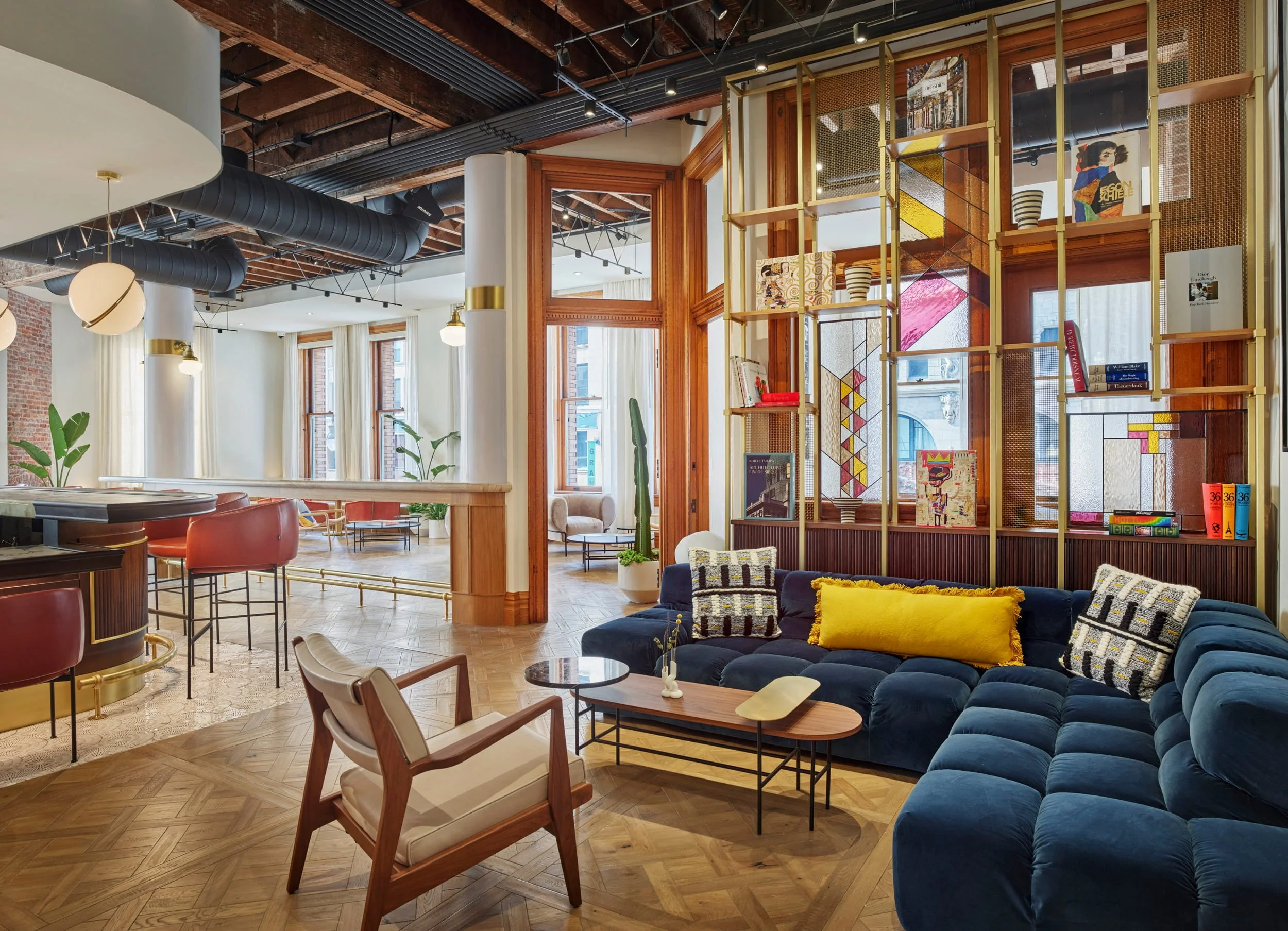
Versailles parquet flooring
Linen drapery throughout work and gathering areas
Custom furnishings and built-ins
Fully built-out communal spaces, studios, and meeting rooms
Our focus during this phase was craftsmanship. We made sure every detail aligned with the design intent while respecting the existing structure.
What went smoothly: Clear design direction and ongoing collaboration helped maintain consistency across all finishes.
Phase 5: Final Details & Move-In
As construction wrapped up, we moved into final adjustments and punch-list work. This included fine-tuning systems, addressing minor details, and confirming everything performed exactly as intended.
The finished space now includes a mix of work areas, wellness spaces, a café, and a private bar and restaurant, all designed to support the NeueHouse community while celebrating the Bradbury Building’s legacy.
What This Project Reinforced for Us
Every tenant improvement project leaves us with takeaways, and NeueHouse Bradbury reinforced several that are especially relevant when working inside historic buildings.
Early planning proved critical. Preservation requirements shape everything that follows, and understanding those constraints from the start allowed us to sequence work properly, coordinate with the design team, and avoid surprises once construction was underway.
The project also emphasized how much adaptability is required when integrating modern building systems into historic spaces. Electrical, HVAC, and lighting upgrades had to meet current performance and code standards while working around original structural elements that were meant to remain visible.
That balance demanded creativity in routing, close coordination across trades, and a willingness to adjust details as existing conditions revealed themselves.
Finally, the project reinforced the importance of craftsmanship. When new construction sits alongside materials that have lasted more than a century, every detail is visible. Finishes, transitions, and alignments had to meet a higher standard, not only to satisfy the design intent, but to respect the building itself.
In spaces like this, quality work doesn’t blend into the background. It becomes part of the building’s ongoing story.
Why Projects Like This Matter
This project reflects what we do best at Turelk: managing complex tenant improvements with care, coordination, and attention to detail, even in challenging environments. NeueHouse Bradbury is a space where history and modern use coexist, and we’re proud to have played a role in delivering it.
Whether you’re planning a build-out in a historic building or reworking an existing commercial space, our team is ready to help guide the process from early planning through move-in.
Get in touch today to learn more.